• About
  • Privacy Policy
  • Terms of Use
  • Donation
  • Contact
No Result
View All Result
Archaeology News
  • Home
  • News
    • Archaeology
    • Anthropology
    • Paleontology
  • Academic
    • Books
    • Conferences
    • Universities
  • Articles
  • VR Tours
  • Quiz & Game
  • Download
  • Encyclopedia
  • Forum
Archaeology News
No Result
View All Result
Home News Anthropology

Malaria influenced early human migration and settlement in Africa long before farming, study finds

by Dario Radley
May 9, 2026

A new study suggests malaria shaped where prehistoric humans lived in sub-Saharan Africa tens of thousands of years before farming began. The findings challenge a long-standing view that infectious diseases became major forces in human life only after agriculture led to permanent settlements and dense populations.
Malaria influenced early human migration and settlement in Africa long before farming, study finds
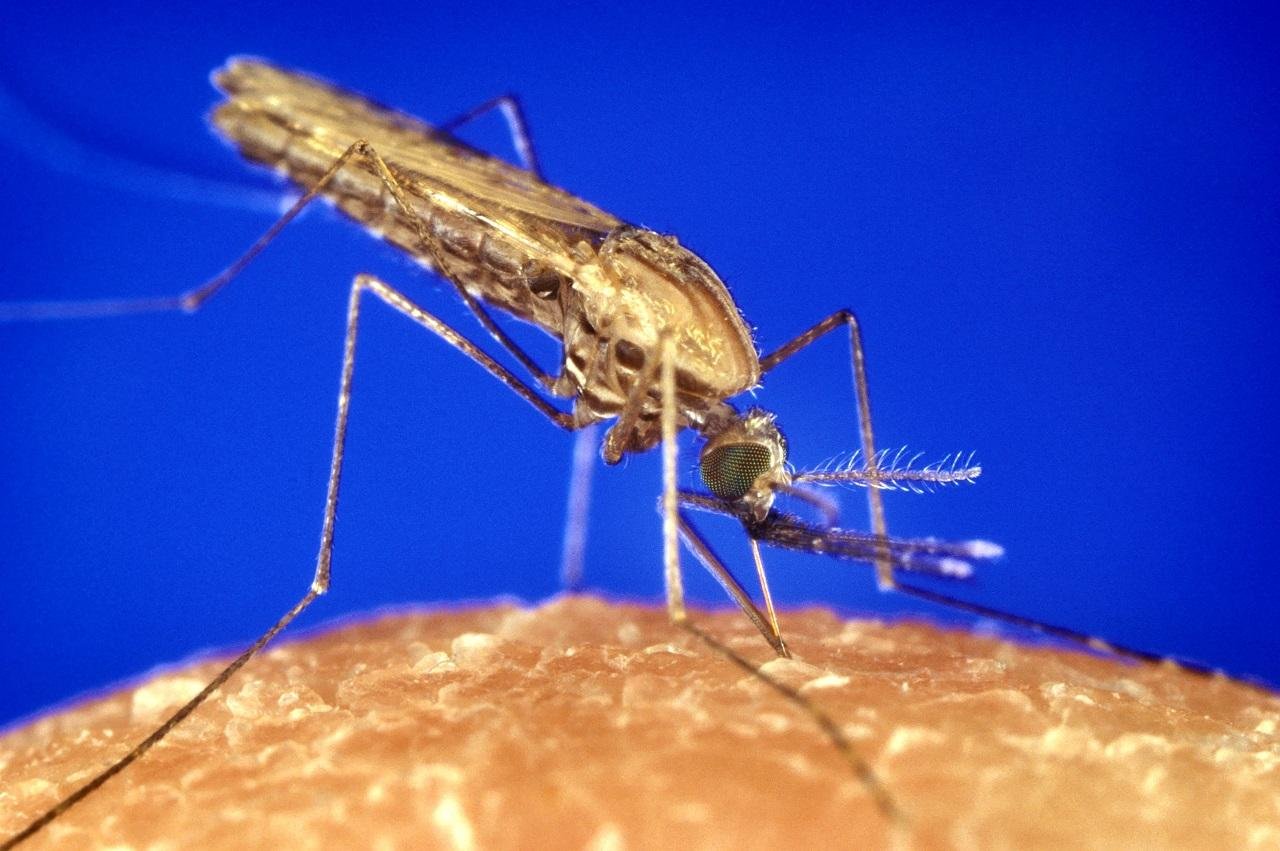
Mosquitoes in the genus Anopheles transmit the parasite responsible for malaria. Credit: James Gathany, via Pixnio

Researchers examined whether Plasmodium falciparum malaria influenced human settlement patterns between 74,000 and 5,000 years ago. This period covers major phases of Homo sapiens expansion across Africa and the time before farming spread widely across the region.

To investigate the question, the team combined paleoclimate reconstructions, epidemiological data, and species distribution models focused on Anopheles mosquitoes, the main carriers of malaria parasites. Female mosquitoes from this genus transmit P. falciparum through their bites, causing the most severe form of malaria in humans.

Using climate data reconstructed at intervals of 1,000 to 2,000 years, the researchers estimated where mosquito habitats were likely stable enough to support long-term malaria transmission. From this, they created a malaria stability index for different parts of sub-Saharan Africa through time.

The team then compared these malaria risk maps with independent reconstructions of early human habitats and settlement patterns. The results showed a clear pattern: prehistoric hunter-gatherers either avoided or failed to establish themselves in regions where malaria risk was consistently high.


RelatedStories

700-year-old mummy from Bolivia reveals scarlet fever bacterium present in the Americas before European contact

700-year-old mummy from Bolivia reveals scarlet fever bacterium present in the Americas before European contact

May 4, 2026
Ancient mass grave in Jordan confirms victims of Justinian Plague pandemic

Ancient mass grave in Jordan confirms victims of Justinian Plague pandemic

April 29, 2026

This suggests disease was already influencing human behavior and population structure long before farming communities appeared in Africa between roughly 3000 and 1000 BCE. By at least 13,000 years ago, malaria risk appears to have affected where people lived and how populations became separated or connected.
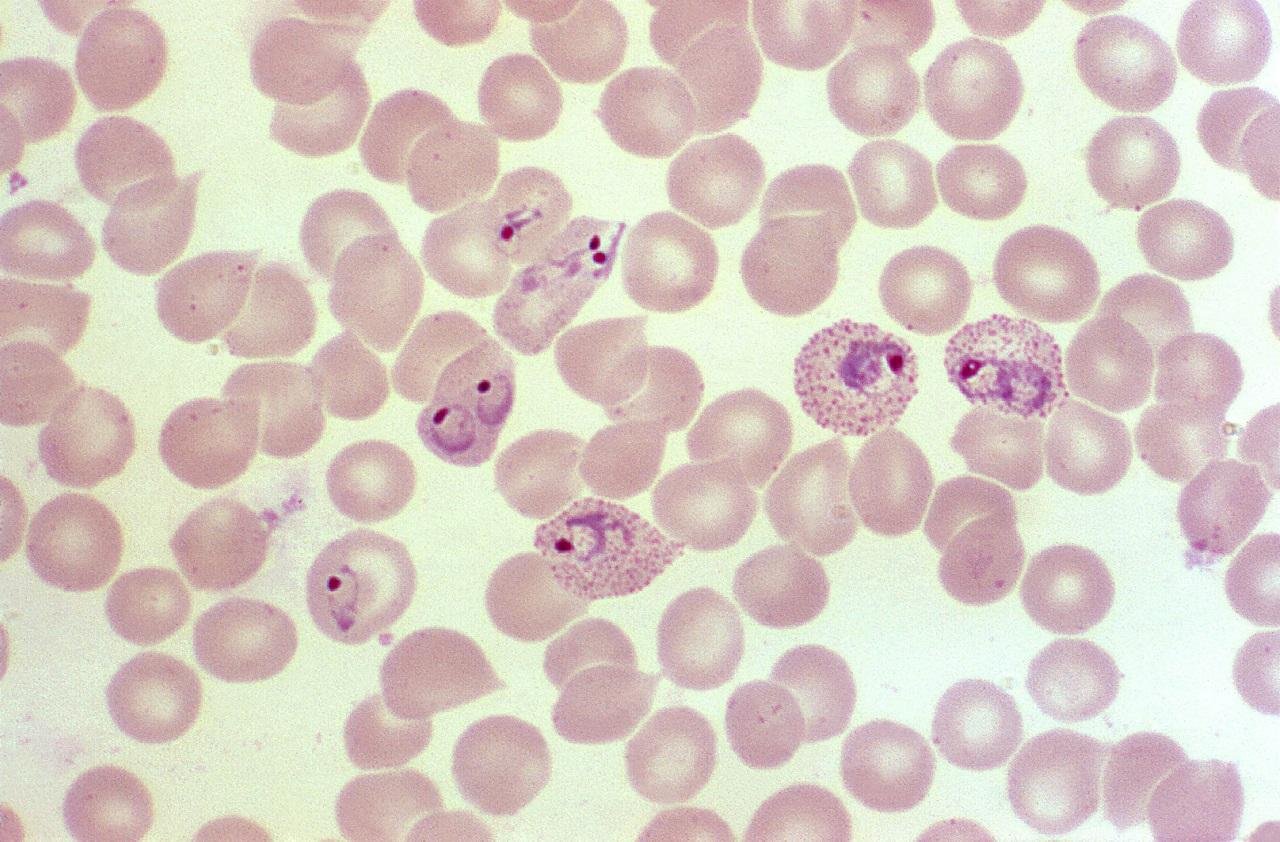
Malaria influenced early human migration and settlement in Africa long before farming, study finds
Plasmodium parasite, the organism responsible for malaria infection. Credit: Dr. Mae Melvin, via Pixnio

Central West Africa emerged as one of the strongest malaria hotspots in the study. Interestingly, this region still carries some of the world’s highest malaria burdens today. Archaeological evidence from the area is limited, though available findings suggest populations there were often fragmented, which fits the study’s results.

The findings add another layer to changing ideas about early human history in Africa. Scientists no longer view Homo sapiens as emerging from a single birthplace. Instead, evidence points to multiple small and partly isolated populations spread across different African environments. Climate has often been treated as the main reason these groups expanded, mixed, or became isolated. This study argues disease also played a major role.

Genetic evidence has hinted at malaria’s deep history before. Mutations linked to protection against malaria, including those related to sickle cell traits, appeared in Africa roughly 25,000 to 22,000 years ago. Archaeological studies have also suggested people developed strategies to reduce insect exposure, such as using aromatic plants with insecticidal properties in bedding.

Direct evidence for ancient diseases from these remote periods is rare because researchers lack ancient DNA from most early African populations. To work around this problem, the team modeled the environmental needs of malaria-carrying mosquitoes and projected their likely past ranges under ancient climate conditions.

The study, published in Science Advances, is the first to directly connect prehistoric human settlement choices in Africa with the risk of malaria. The authors argue disease distributions should be included alongside climate when researchers model early human migrations, dispersal, and demographic change.

The results suggest malaria was not a late problem created by farming societies. Instead, the disease was already shaping human movement, settlement decisions, and long-term population patterns deep in prehistory.
More information: Colucci, M., Leonardi, M., Blinkhorn, J., Irish, S. R., Padilla-Iglesias, C., Kaboth-Bar, S., … Scerri, E. M. L. (2026). Malaria shaped human spatial organization for the past 74 thousand years. Science Advances, 12(17), eaea2316. doi:10.1126/sciadv.aea2316
Share2Tweet1ShareShareSend

You May Also Like...

Cut marks on 1.6-million-year-old bones reveal early humans moved and processed meat in Kenya
Anthropology

Cut marks on 1.6-million-year-old bones reveal early humans moved and processed meat in Kenya

May 13, 2026
280 ancient stone burial monuments found in Sudan reveal lost cattle-herding culture in the Sahara
Archaeology

280 ancient stone burial monuments found in Sudan reveal lost cattle-herding culture in the Sahara

May 13, 2026
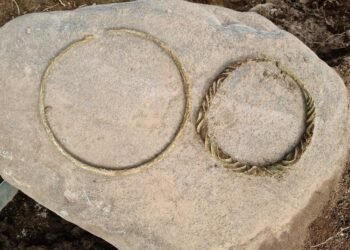
Rare Bronze Age burial in Sweden reveals unusual pair of Wendel neck rings and complex ritual landscape near Norrköping
Archaeology

Rare Bronze Age burial in Sweden reveals unusual pair of Wendel neck rings and complex ritual landscape near Norrköping

May 12, 2026
Kasta Tomb in Amphipolis fully revealed as restoration uncovers largest burial mound in Macedonia
Archaeology

Kasta Tomb in Amphipolis fully revealed as restoration uncovers largest burial mound in Macedonia

May 12, 2026
Rare Roman villa threatened by farming damage reveals rare mosaic and bathhouse remains in Devon
Archaeology

Rare Roman villa threatened by farming damage reveals rare mosaic and bathhouse remains in Devon

May 12, 2026
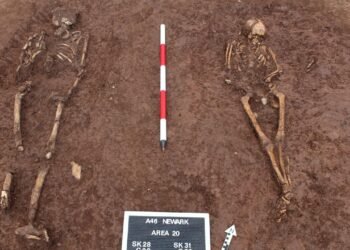
Ancient burials, Roman well, and Anglo-Saxon house uncovered during A46 Newark bypass excavations
Anthropology

Ancient burials, Roman well, and Anglo-Saxon house uncovered during A46 Newark bypass excavations

May 12, 2026

Comments 0

  1. Editorial Team says:
    1 second ago

    Disclaimer: This website is a science-focused magazine that welcomes both academic and non-academic audiences. Comments are written by users and may include personal opinions or unverified claims. They do not necessarily reflect the views of our editorial team or rely on scientific evidence.

    Comment Policy: We kindly ask all commenters to engage respectfully. Comments that contain offensive, insulting, degrading, discriminatory, or racist content will be automatically removed.

    Reply

Leave a Reply Cancel reply

Your email address will not be published. Required fields are marked *

Follow us


Instagram
242K

Facebook
117K

Threads
46K

LinkedIn
14K

Twitter
6K

YouTube
1K
  • Trending
  • Comments
  • Latest
Shipwreck Salvage. Credit: rawpixel.com / Public Domain

2,000-year-old shipwreck discovered off Turkish coast with remarkably preserved stacked ceramics

July 2, 2025
A new study suggests the mysterious Voynich Manuscript may be a medieval cipher

A new study suggests the mysterious Voynich Manuscript may be a medieval cipher

January 3, 2026
Viking age DNA reveals 9,000-year-old HIV-resistant gene originating near the Black Sea

Viking age DNA reveals 9,000-year-old HIV-resistant gene originating near the Black Sea

May 18, 2025
3D analysis reveals Shroud of Turin image likely came from sculpture, not Jesus’ body

3D analysis reveals Shroud of Turin image likely came from sculpture, not Jesus’ body

August 3, 2025
Moses may be named in ancient Egyptian mine inscriptions, sparking debate over earliest biblical references

Moses may be named in ancient Egyptian mine inscriptions, sparking debate over earliest biblical references

July 31, 2025
3D analysis reveals Shroud of Turin image likely came from sculpture, not Jesus’ body

3D analysis reveals Shroud of Turin image likely came from sculpture, not Jesus’ body

Moses may be named in ancient Egyptian mine inscriptions, sparking debate over earliest biblical references

Moses may be named in ancient Egyptian mine inscriptions, sparking debate over earliest biblical references

$1 million prize offered to decipher 5,300-year-old Indus Valley script

$1 million prize offered to decipher 5,300-year-old Indus Valley script

Oldest ever genetic data from a human relative found in 2-million-year-old fossilized teeth

Oldest ever genetic data from a human relative found in 2-million-year-old fossilized teeth

Exceptionally large Roman shoes discovered at Magna fort near Hadrian’s Wall

Exceptionally large Roman shoes discovered at Magna fort near Hadrian’s Wall

Cut marks on 1.6-million-year-old bones reveal early humans moved and processed meat in Kenya

Cut marks on 1.6-million-year-old bones reveal early humans moved and processed meat in Kenya

May 13, 2026
280 ancient stone burial monuments found in Sudan reveal lost cattle-herding culture in the Sahara

280 ancient stone burial monuments found in Sudan reveal lost cattle-herding culture in the Sahara

May 13, 2026
Rare Bronze Age burial in Sweden reveals unusual pair of Wendel neck rings and complex ritual landscape near Norrköping

Rare Bronze Age burial in Sweden reveals unusual pair of Wendel neck rings and complex ritual landscape near Norrköping

May 12, 2026
Kasta Tomb in Amphipolis fully revealed as restoration uncovers largest burial mound in Macedonia

Kasta Tomb in Amphipolis fully revealed as restoration uncovers largest burial mound in Macedonia

May 12, 2026
Rare Roman villa threatened by farming damage reveals rare mosaic and bathhouse remains in Devon

Rare Roman villa threatened by farming damage reveals rare mosaic and bathhouse remains in Devon

May 12, 2026

Archaeology News online magazine

Archaeology News is an international online magazine that covers all aspects of archaeology.


Categories

  • Academics
    • Books
    • Conferences
    • Universities
  • Articles
  • Download
  • Game
  • News
    • Anthropology
    • Archaeology
    • Paleontology
  • Quiz
  • Tours

Subscribe to our newsletter

© 2024 - Archaeology News Online Magazine. All Rights Reserved.

  • About
  • Privacy Policy
  • Terms of Use
  • Donation
  • Contact

Manage Consent
To provide the best experiences, we use technologies like cookies to store and/or access device information. Consenting to these technologies will allow us to process data such as browsing behavior or unique IDs on this site. Not consenting or withdrawing consent, may adversely affect certain features and functions.
Functional Always active
The technical storage or access is strictly necessary for the legitimate purpose of enabling the use of a specific service explicitly requested by the subscriber or user, or for the sole purpose of carrying out the transmission of a communication over an electronic communications network.
Preferences
The technical storage or access is necessary for the legitimate purpose of storing preferences that are not requested by the subscriber or user.
Statistics
The technical storage or access that is used exclusively for statistical purposes. The technical storage or access that is used exclusively for anonymous statistical purposes. Without a subpoena, voluntary compliance on the part of your Internet Service Provider, or additional records from a third party, information stored or retrieved for this purpose alone cannot usually be used to identify you.
Marketing
The technical storage or access is required to create user profiles to send advertising, or to track the user on a website or across several websites for similar marketing purposes.
  • Manage options
  • Manage services
  • Manage {vendor_count} vendors
  • Read more about these purposes
View preferences
  • {title}
  • {title}
  • {title}
  • Home
  • News
    • Archaeology
    • Anthropology
    • Paleontology
  • Academic
    • Books
    • Conferences
    • Universities
  • Articles
  • VR Tours
  • Quiz & Game
  • Download
  • Encyclopedia
  • Forum

About  .  Contact  .  Donation

© 2024 - Archaeology News Online Magazine. All Rights Reserved