
Archaeologists working in Egypt’s eastern Nile Delta have uncovered the upper half of a large statue at Tell El-Faraoun in Sharqiya Governorate. The find comes from a site known in antiquity as Imet, a place linked to temple activity across several periods.
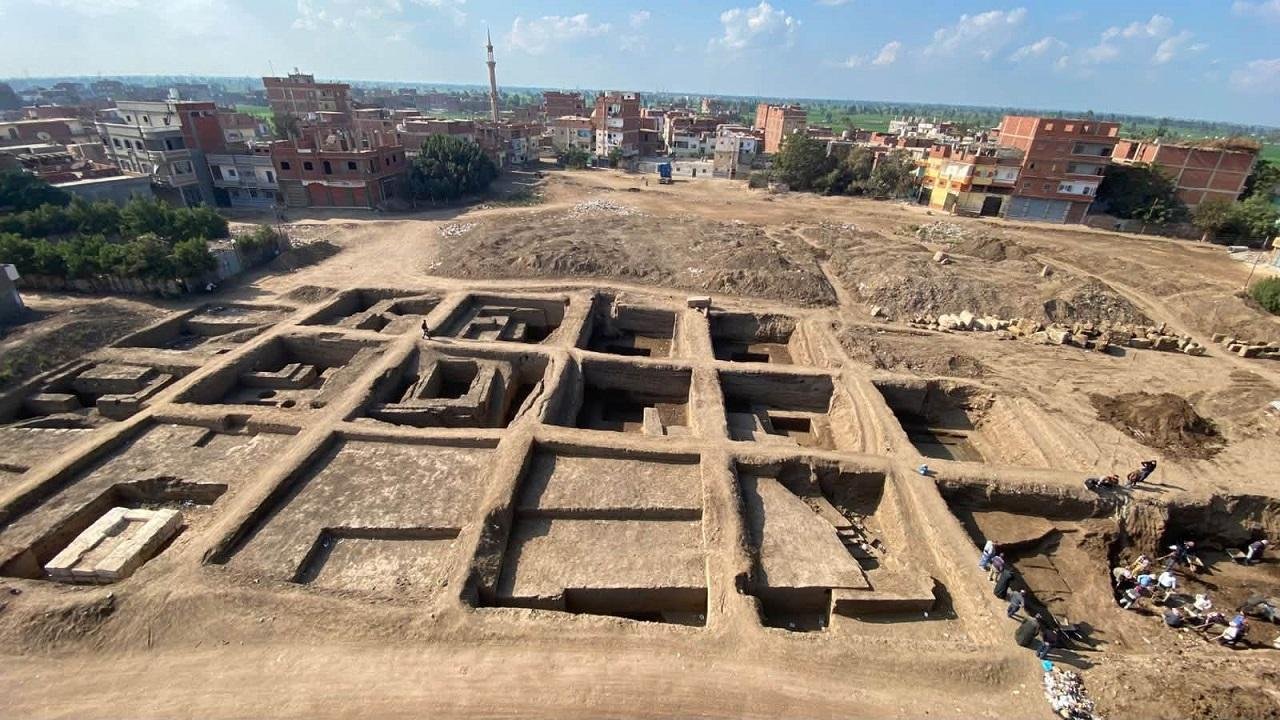
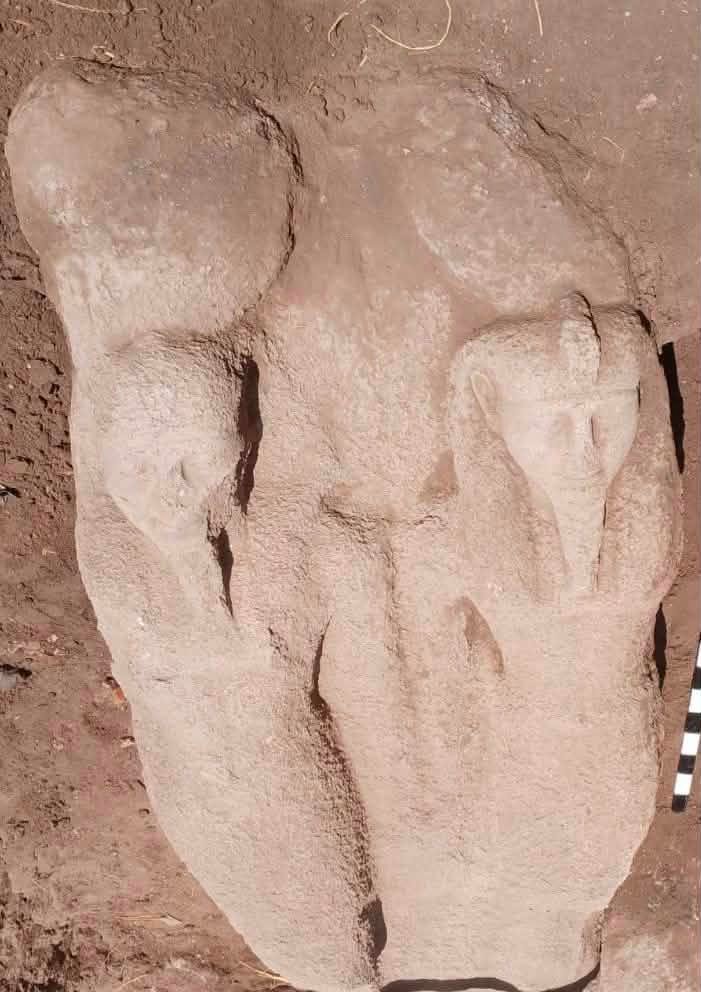
The statue shows the figure of King Ramses II. The lower section, including the legs and base, is missing. The remaining part stands about 2.2 meters tall and weighs between five and six tons. Surface damage is visible, yet key features of royal iconography remain clear. These include stylistic details tied to the reign of Ramses II, who ruled from about 1279 to 1213 BCE.
Researchers believe the statue once formed part of a triad. Groups of three statues often stood in temple spaces, placed in ways that reflected religious ideas and royal authority. Similar examples appear in other regions of Egypt, which supports this interpretation.
Initial study suggests the statue did not begin at Tell El-Faraoun. Evidence points to Per-Ramesses, the royal capital in the Delta founded by Ramses II, as the original location. At some point in antiquity, workers moved the statue to Imet and set it up again inside a temple complex. Transporting an object of this size required planning and labor, which shows the effort invested in reshaping sacred spaces.
Reuse of older monuments appears often in ancient Egypt. Statues carried meaning tied to kingship and religion, so later communities placed them in new settings while keeping their symbolic role. This case adds another example of how such practices worked in the Delta.
After excavation, the team transferred the statue to a storage facility in San El-Hagar. Conservators are preparing restoration work to stabilize the surface and preserve the remaining details.
Recent finds in Sharqiya add context to this discovery. A stone stela bearing a version of the Canopus Decree, issued in 238 BCE during the reign of Ptolemy III, was uncovered in the same region. Finds from different periods show continued use of the area as a religious and administrative center over a long span of time.
More information: Ministry of Tourism and Antiquities






Disclaimer: This website is a science-focused magazine that welcomes both academic and non-academic audiences. Comments are written by users and may include personal opinions or unverified claims. They do not necessarily reflect the views of our editorial team or rely on scientific evidence.
Comment Policy: We kindly ask all commenters to engage respectfully. Comments that contain offensive, insulting, degrading, discriminatory, or racist content will be automatically removed.
Very nice information to us.5