
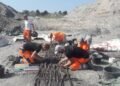
A rescue excavation in Windisch, Switzerland, has brought to light an unusual object from the Roman past, a small, charred loaf of bread buried for nearly two millennia. The find comes from the site of Vindonissa, once a major Roman military base. Archaeologists uncovered the bread during work ahead of a planned residential project on a 4,000 square meter plot near Zürcherstrasse and Scheuergasse.
Excavation began in August 2025 and will continue through mid-2026. The area lies just outside the southwestern edge of the known legionary camp. As digging progressed, the team identified traces of an earlier, temporary camp beneath the later stone-built complex. Two parallel ditches and evenly spaced postholes mark the line of a timber and earth wall. A V-shaped ditch found nearby helped define the scale of this early fortification, which likely stretched close to 400 meters from north to south.
Within this older camp, a well-preserved building lay hidden under a later Roman road. Its layout shows two sets of rooms arranged in a similar pattern. Each set includes smaller chambers beside a larger room with a hearth. Artifacts found in and around the structure point to daily work tied to both military and craft activity. Metal tools, slag from blacksmithing, and fragments of weapons such as spearheads and projectiles offer a clear view of life inside the camp.
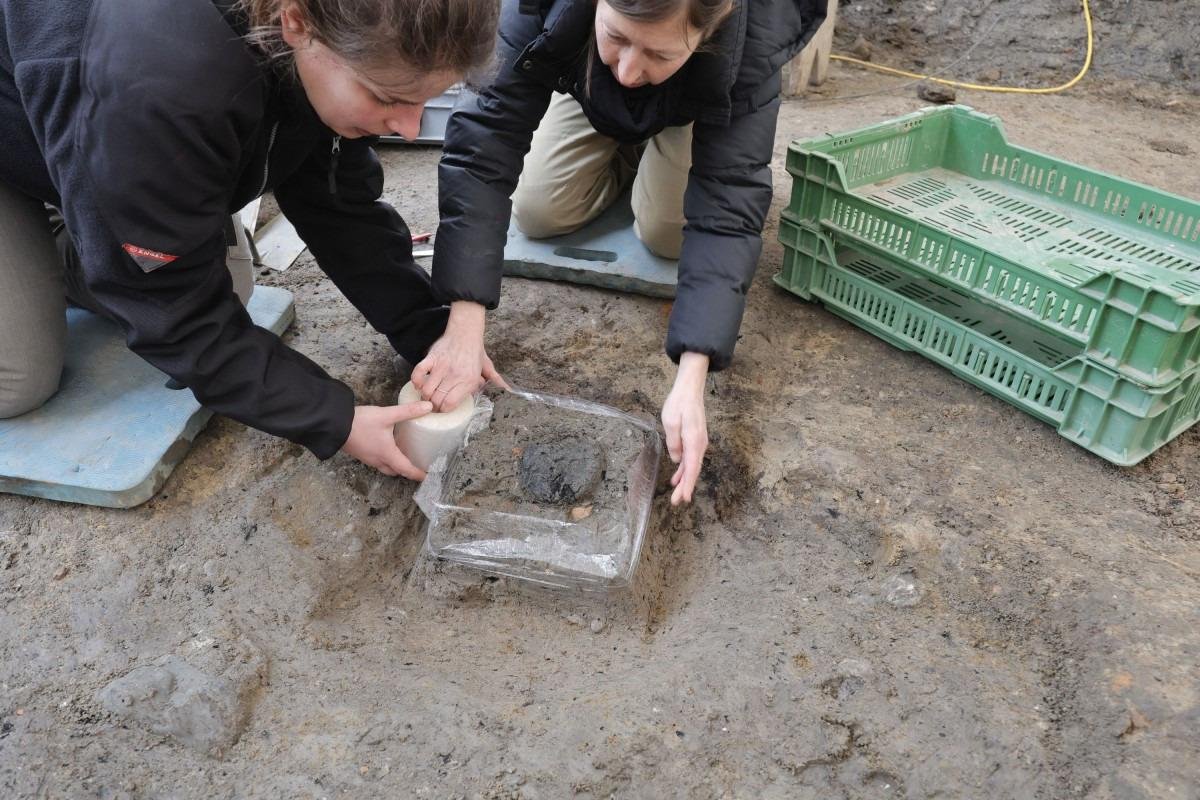
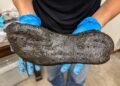
Close to the fortification line, archaeologists uncovered a carefully built clay oven. Its size and construction suggest use for large-scale food preparation. Near this oven, the team noticed a dark, rounded object in the soil. They removed it along with the surrounding sediment and transported it to a laboratory for detailed examination.
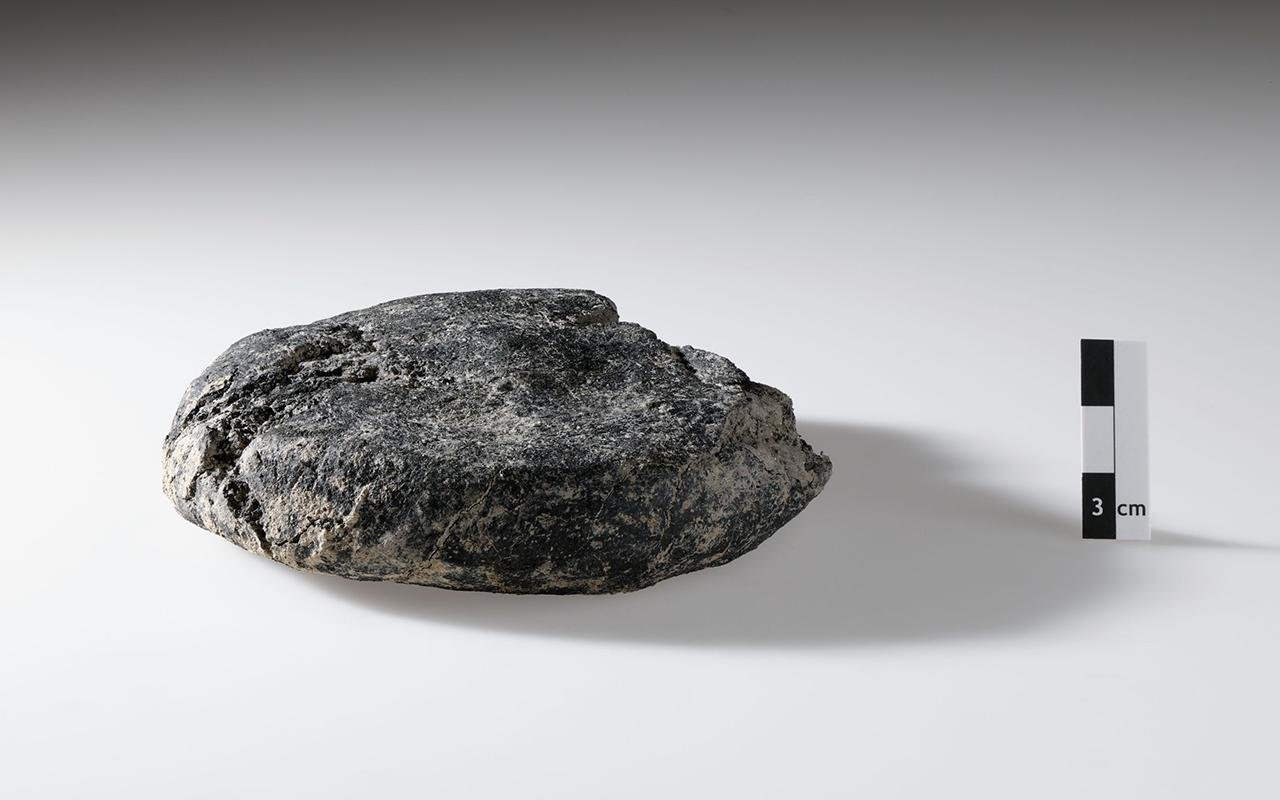
Specialists identified the object as a charred Roman bread loaf. It measures about 10 centimeters in diameter and roughly 3 centimeters thick, similar to a small flatbread. Preservation in this state is rare. Bread from the Roman period survives only when burned, a process that prevents decay. Comparable examples are known from sites such as Pompeii, where loaves were carbonized during the eruption of Mount Vesuvius in CE 79.
This marks the first Roman bread ever recorded in Switzerland. Initial analysis took place at the University of Basel, and further tests are planned in Vienna to study its ingredients and baking method. The discovery adds a direct and personal element to the site, linking the remains of walls and tools with the daily routines of the people who once lived there.
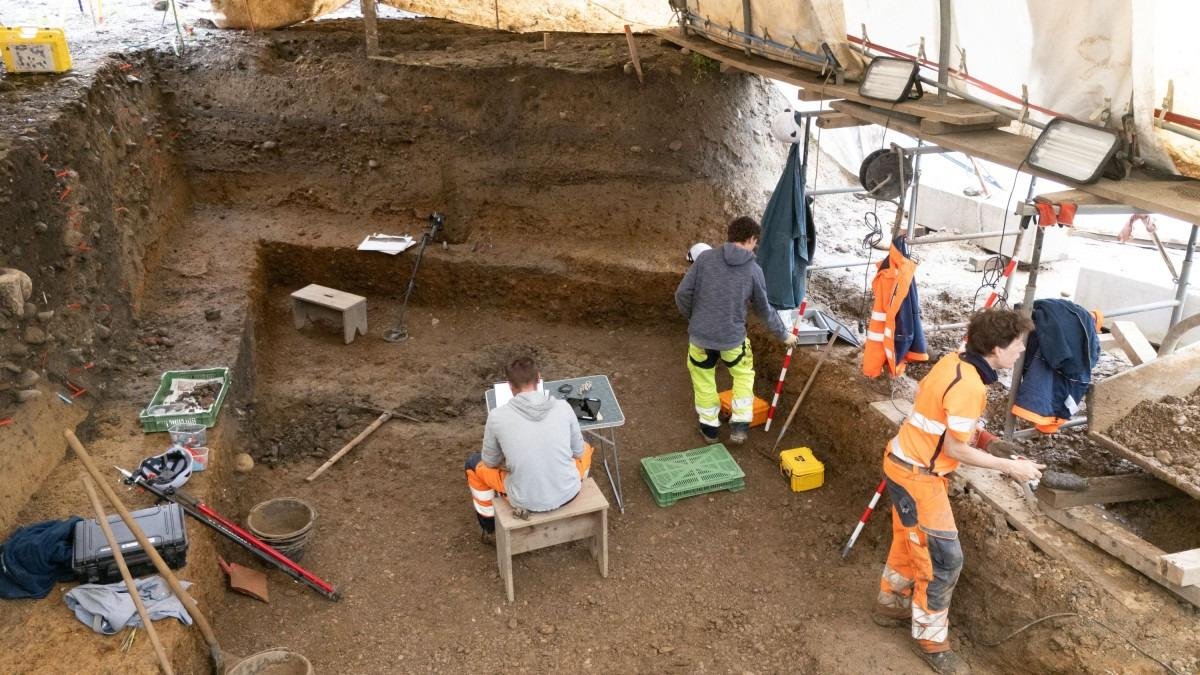
The excavation continues to document the early phases of Vindonissa and the transition from a temporary military base to a permanent legionary camp. The findings also help narrow the timeline of this shift, which may have occurred during the reign of Emperor Augustus or shortly after under Tiberius.
An open day scheduled for May 9, 2026, will allow visitors to see the excavation in progress. Guided tours and displays of selected finds will offer a closer look at the work.
More information: Canton of Aargau







Disclaimer: This website is a science-focused magazine that welcomes both academic and non-academic audiences. Comments are written by users and may include personal opinions or unverified claims. They do not necessarily reflect the views of our editorial team or rely on scientific evidence.
Comment Policy: We kindly ask all commenters to engage respectfully. Comments that contain offensive, insulting, degrading, discriminatory, or racist content will be automatically removed.